WASHINGTON — Two House members from opposite ends of the political and geographic map say they’ve got a new rail safety bill, which in Washington-speak means: everyone agrees safety is important.
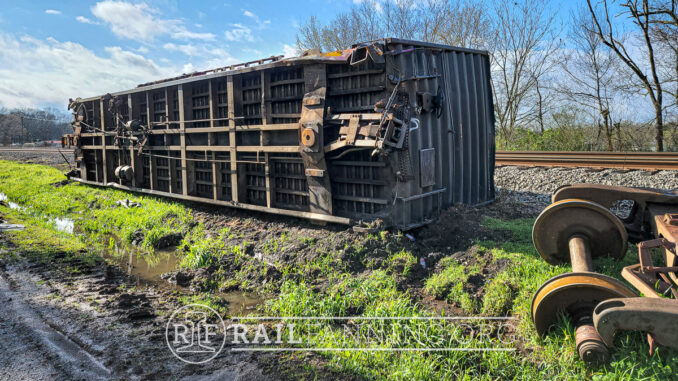
However, whether anything actually moves remains to be seen, as a similar measure did not advance following the Norfolk Southern derailment in East Palestine, Ohio.
U.S. Reps. Troy Nehls, R-Texas, and Seth Moulton, D-Massachusetts, introduced the Railroad Safety Enhancement Act of 2026, a package that borrows from the Railway Safety Act of 2024, first pushed by then-U.S. Sen. JD Vance, R-Ohio. The bill arrives with the usual bipartisan branding and a familiar promise: better inspections, better preparedness, and modernized rules — especially for trains hauling hazardous materials through towns that didn’t sign up to be part of the risk.
The proposal would require all Class I railroads and Amtrak to participate in the Confidential Close Call Reporting System, known as C3RS, for two years. The program is administered by NASA through an independent third party and is designed to let workers and railroads report close calls and unsafe conditions without fear of retaliation, while also limiting Federal Railroad Administration enforcement tied to events reported through the system.
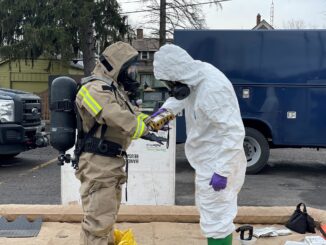
The bill also targets a basic reality of derailments: first responders need to know what’s in the railcars, and they need to know it fast. It would push broader awareness and usage of the ASKRAIL app, which allows first responders to access information on hazardous materials in railcars.
It would require state transportation departments that receive certain grants to notify first responders about the app and to certify to the FRA that they’ve done so. And because having an app is cute until you’re in a dead zone, the bill would create an ASKRAIL Connectivity Pilot Program, authorizing $25 million a year to improve service in areas of the rail network with the biggest connectivity gaps.
Finally, the bill would add money — a lot of it — to grade-crossing elimination. It would authorize an additional $1 billion on top of Infrastructure Investment and Jobs Act funding for the Railroad Crossing Elimination Grant Program.
Supporters point to NTSB testimony that crossings remain one of the most dangerous parts of the national rail system, where roads and rail lines collide in the most literal way possible.