
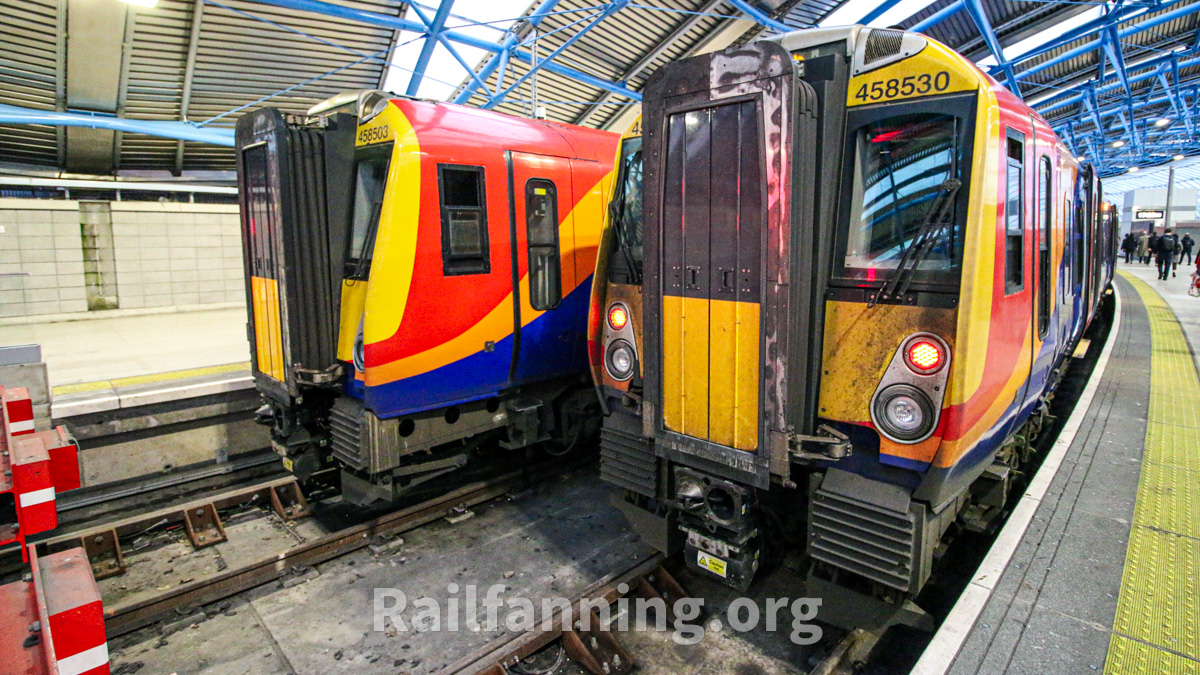
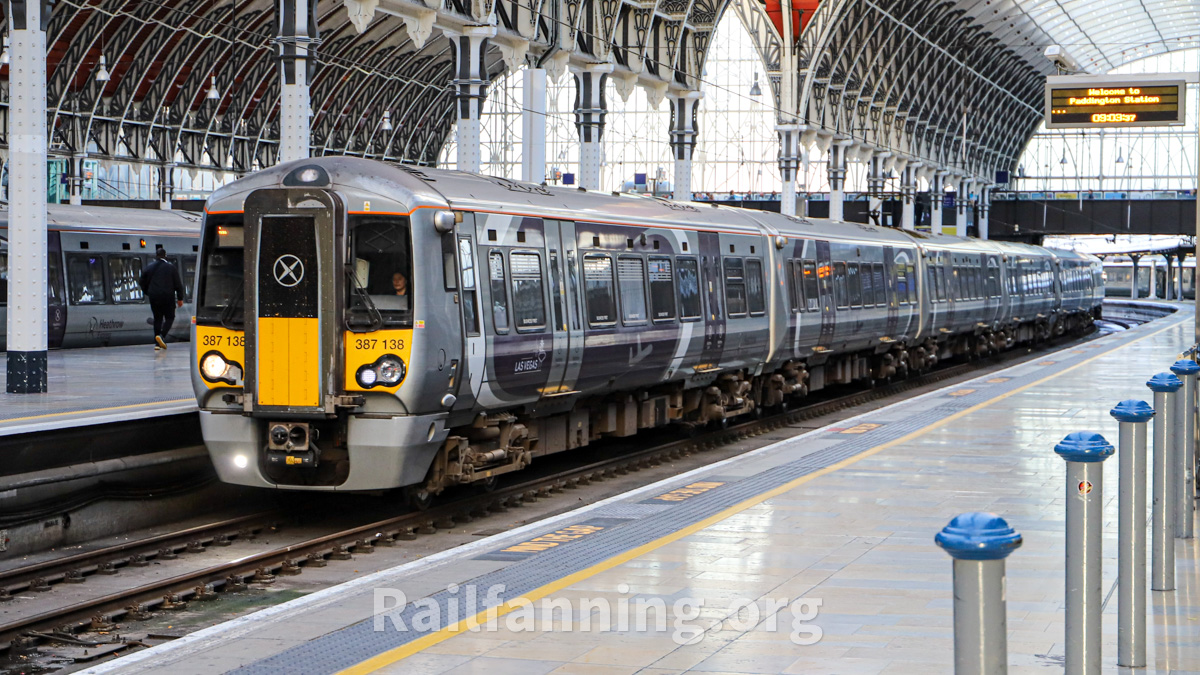
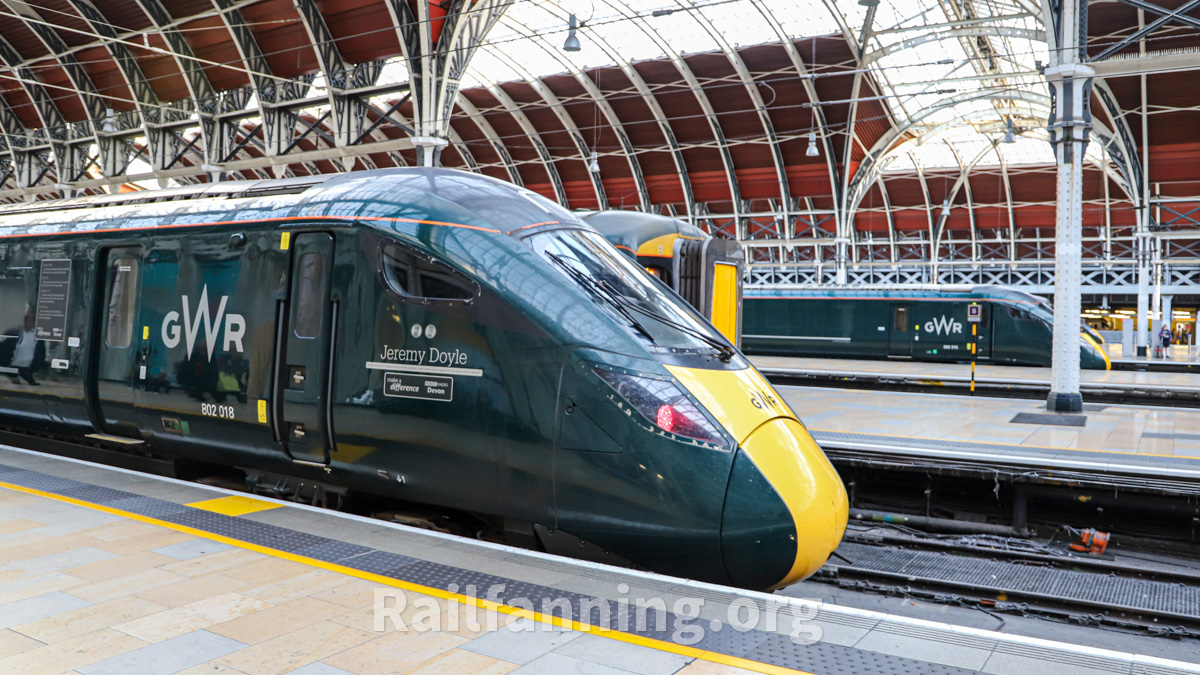
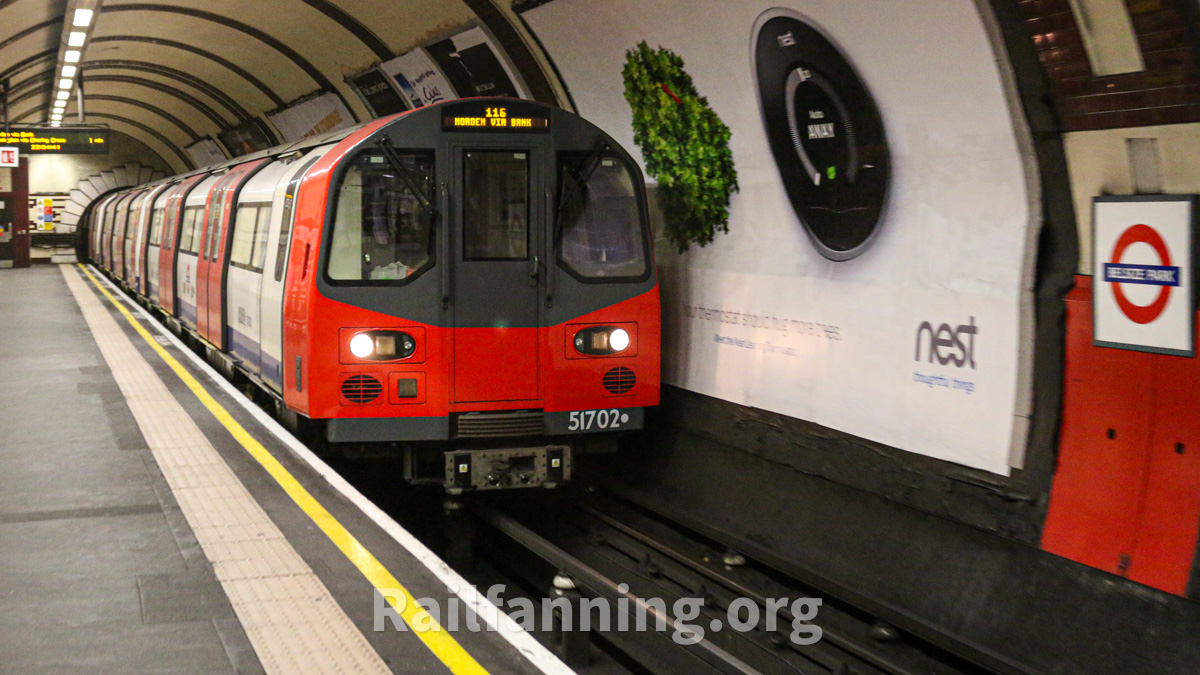
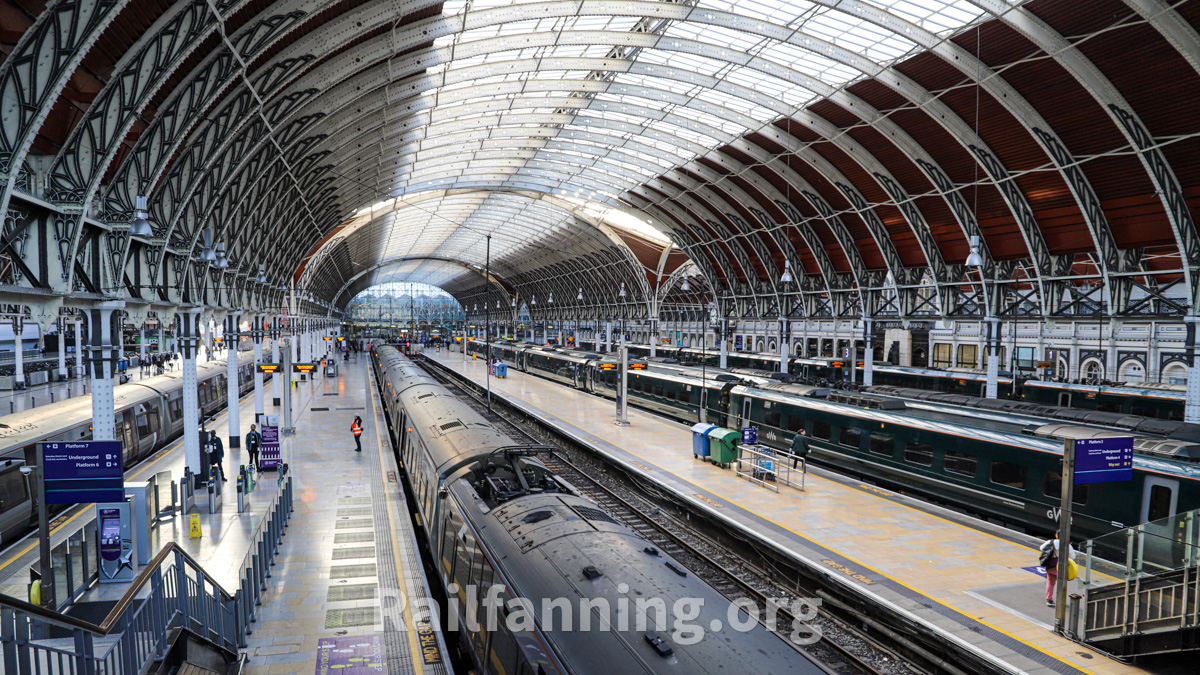
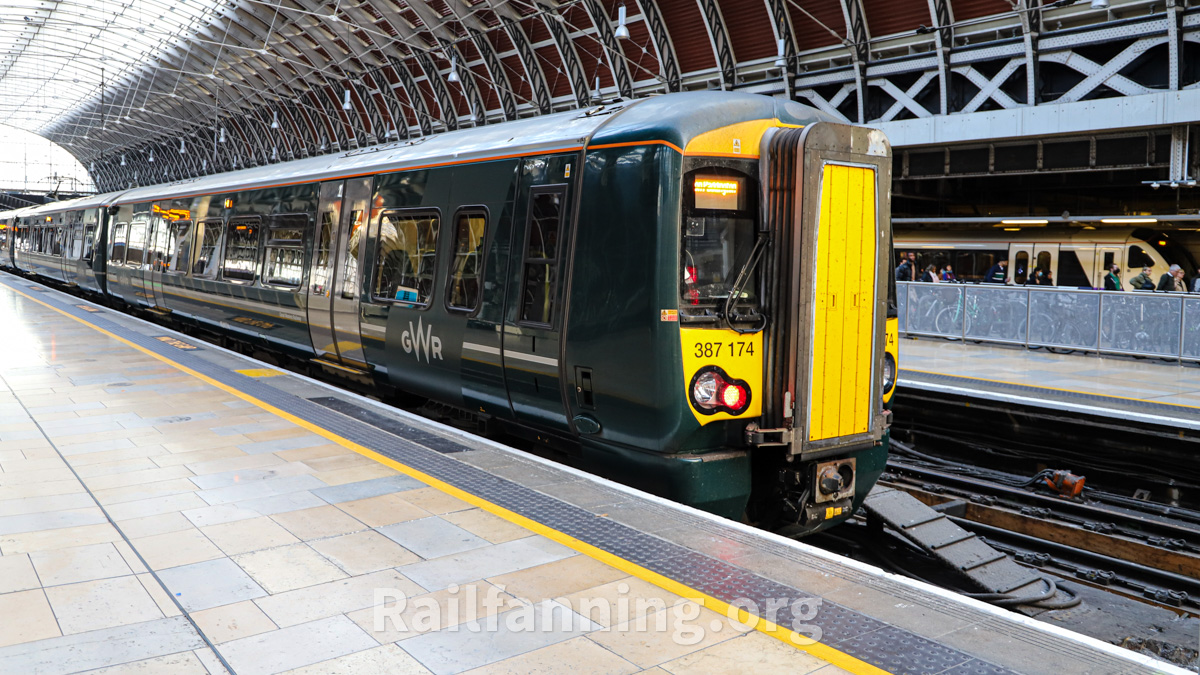
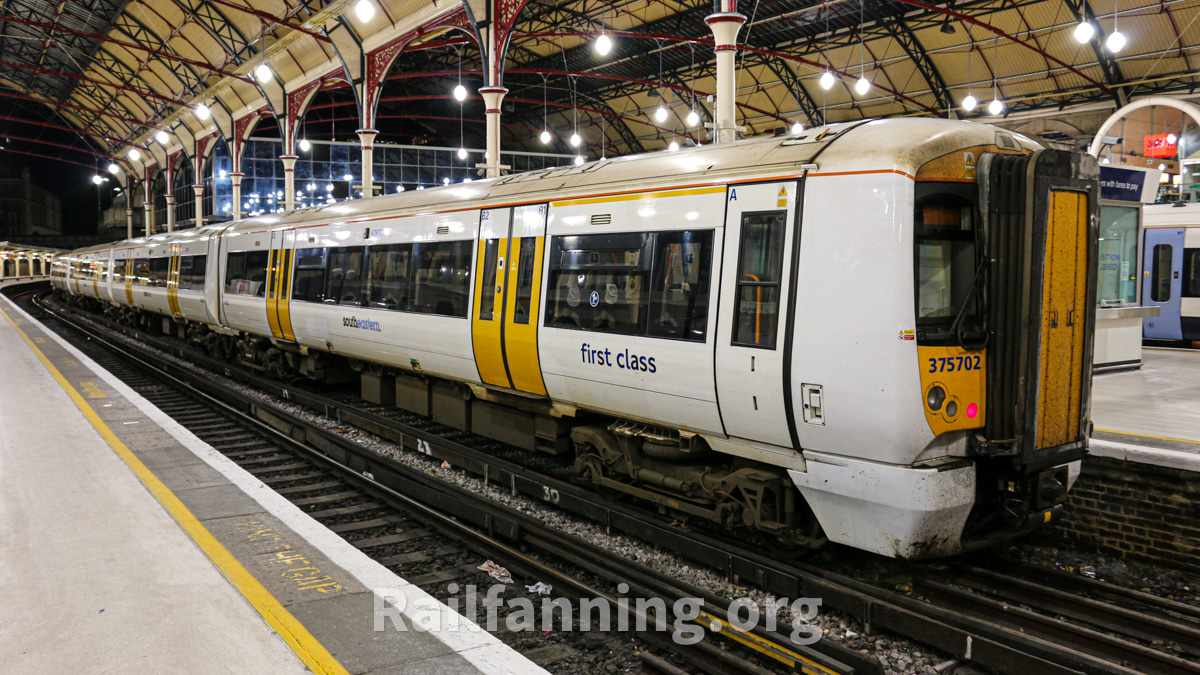

LONDON — While London is today known as a transportation hub and one of the world’s largest urban rail networks, its railroad history dates to Dec. 14, 1836, when the London & Greenwich Railway opened its terminus at London Bridge.
Other stations soon opened, including Euston station on July 20, 1837, which was London’s first mainline intercity railway terminal, and Paddington station, the London terminus of the Great Western Railway, in 1838. When Fenchurch Street opened in 1841, it was the first terminus located in the City of London.
One of the seminal moments in the city’s — and the world’s — railroad history took place on Jan. 10, 1863, when the Metropolitan Railway opened between Paddington and Farringdon. It was the world’s first underground railway and marked the start of the London Underground system.
The Underground evolved through a series of separate lines, and in 1933, the London Passenger Transport Board formed, unifying Underground, bus, and tram operations under a single authority, creating the modern integrated transit system.
In 1994, with the opening of the Channel Tunnel, London was the British terminus of direct rail links with continental Europe. In 2007, St Pancras International became the London terminal for Eurostar services, replacing Waterloo.
The city’s rail history continues to evolve. In May 2022, the Elizabeth line opened through central London, increasing east-west rail capacity and becoming one of the most anticipated and significant rail projects in London’s history.
Today, according to National Rail, there are more than 330 train stations on the National Rail network in London. Today, the London Underground has 272 stations on 11 lines.
