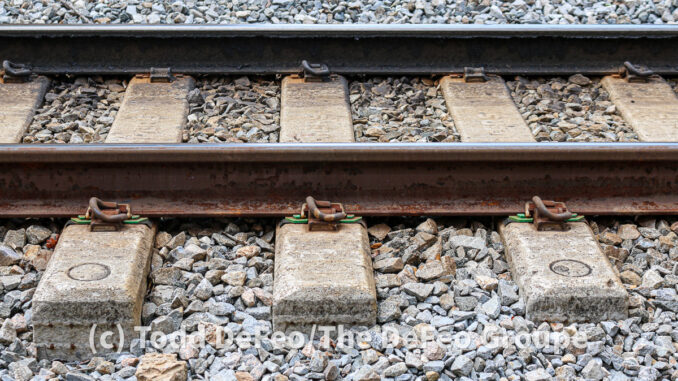
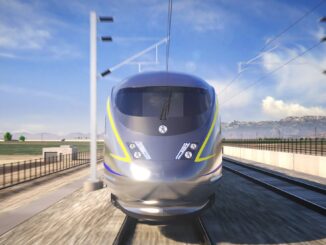
After a $3.5 billion contract was awarded for track and electrical work on California’s high-speed rail, critics are calling the entire project problematic because of a lack of transparency.
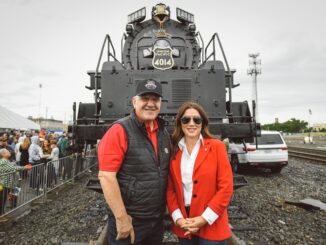
U.S. Department of Labor Secretary Lori Chavez-DeRemer climbed into the cab of Union Pacific’s famed Big Boy No. 4014 on April 11 as part of a tour led by CEO Jim Vena in Roseville, California. The visit occurred during the legendary locomotive’s first public display on its historic coast-to-coast tour in celebration of America’s 250th birthday.
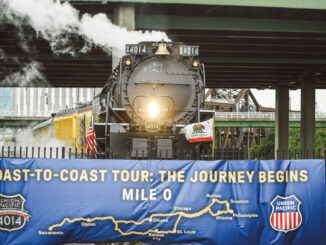
Union Pacific’s legendary Big Boy No. 4014 steam locomotive embarked on its first coast-to-coast tour today in celebration of America’s 250th anniversary with a kickoff ceremony held at Milepost 0 in downtown Sacramento – the historic site where the Central Pacific Railroad began construction on the first transcontinental railroad line in 1863.
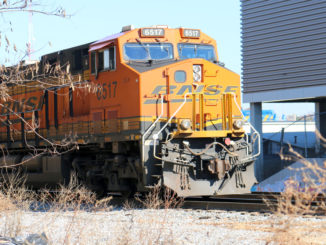
The Surface Transportation Board has granted BNSF Railway permission to let a set of restricted trackage rights on Union Pacific lines in Northern California expire at the end of 2026, avoiding the need for a separate discontinuance filing later.
California has withdrawn its federal lawsuit challenging the loss of $4 billion in grant funding for the state’s high-speed rail project, but left the door open to revive the case.
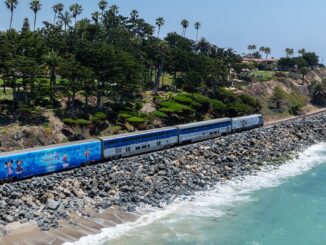
The Los Angeles – San Diego – San Luis Obispo Rail Corridor Agency announced that train service north of Goleta will be suspended from Aug. 1 through Aug. 16 due to the La Cañada Honda Bridge Replacement Project.
As California’s high speed rail project lays its first tracks after spending billions of dollars since 2006, Washington officials are already looking at lessons to be learned on how to avoid a similar outcome as they work on their own multi-state, multi-national bullet train.
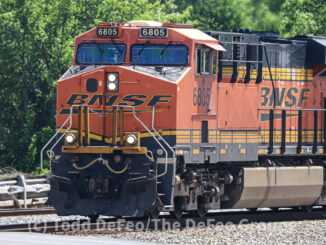
BNSF Railway recently announced a $3.8 billion capital investment plan for 2025, which company officials say demonstrates its dedication to operating a safe and reliable network while ensuring it is prepared to handle anticipated customer needs.