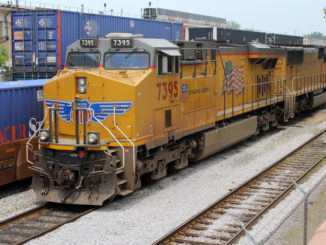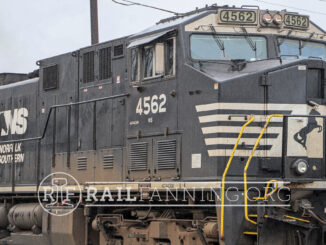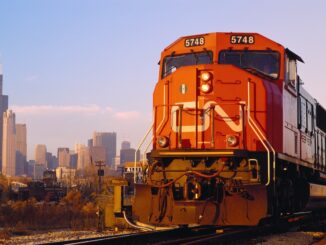
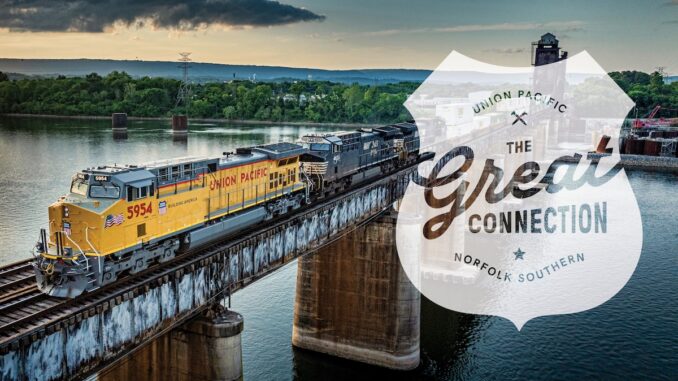
Union Pacific and Norfolk Southern are back at the Surface Transportation Board with an amended merger application, again pitching their tie-up as the deal that will create America’s first “transcontinental” railroad — and insisting the revised filing is even more airtight than the first.
The companies say the updated application adds fresh analysis and greater transparency following the STB’s request for additional work and documents.
Their new talking point: this is the first rail merger filing to rely on complete, systemwide traffic data supplied by all six North American Class I railroads, rather than the smaller sample data the STB typically provides. In plain English, UP and Norfolk Southern are telling regulators they ran the numbers with the full playbook — and the numbers still say “approve us.”
As usual, the sales pitch comes in three parts: growth, cost savings, and jobs. The railroads claim the combined network will make single-line service more available, cutting out interchange handoffs that can add a day or two to a shipment’s trip.
They argue that faster, more reliable rail service would pull freight off highways, estimating about 2.1 million trucks removed from the road and about $3.5 billion in annual shipper savings — savings they suggest would ripple into consumer prices.
They also say the amended filing bumps up the projected net new union jobs needed by year three to 1,200, up from 900 previously and includes a “jobs-for-life” pledge for union employees on the roster at the time the merger closes. It’s a familiar bargaining chip in a familiar fight: fewer handoffs, more lanes, more efficiency — and don’t worry, nobody loses.
The revised application also tweaks what the combined railroad says it would run on day one. UP and Norfolk Southern now project seven premium intermodal lanes operating seven days a week, up from six, including a new lane from Northern California to the Southeast.
Then there’s the cleanup work. The companies say they’re going beyond what the STB asked by putting additional merger-agreement documents into the public record.
They also address the Terminal Railroad Association of St. Louis, where UP and Norfolk Southern are both owners, by committing to divest or otherwise relinquish control to avoid maintaining control after the merger.
None of this is approval — it’s positioning. The amended filing is the railroads’ message that they’ve done the homework, padded the promises, and cleared the brush.
Now it’s the STB’s job to decide whether “public benefits” are real, enforceable, and worth the size of the ask.