
Overview
The Philadelphia & Columbia Railroad opened in 1834 as one of the earliest commercial railroads in the United States, extending roughly 82 miles between Philadelphia and Columbia. In Columbia, it connected with the Pennsylvania Canal along the Susquehanna River and formed part of the state’s Main Line of Public Works.
The railroad was constructed by the Pennsylvania Canal Commission after engineers concluded that an adequate water supply could not be secured for a proposed canal between Philadelphia and Columbia. The Pennsylvania Legislature authorized construction of a railroad on much of the right-of-way originally intended for the canal.
The Canal Commission operated the line as part of a broader plan to create a continuous transportation system linking eastern and western Pennsylvania through canals, railroads, and portage railways. At Columbia, the railroad terminated near the site of Wright’s Ferry, providing a connection between rail transportation and canal navigation.
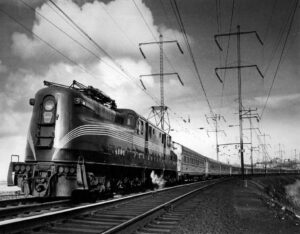
In 1857, Pennsylvania sold the railroad and much of the Main Line of Public Works to the Pennsylvania Railroad. The former Philadelphia & Columbia Railroad became an essential part of the Pennsylvania Railroad system, and much of the original route remains in service today as part of Amtrak’s electrified Keystone Corridor between Philadelphia and Harrisburg.
Quick Facts
- Type
- Railroad
- Geographic area
- Pennsylvania
Organization