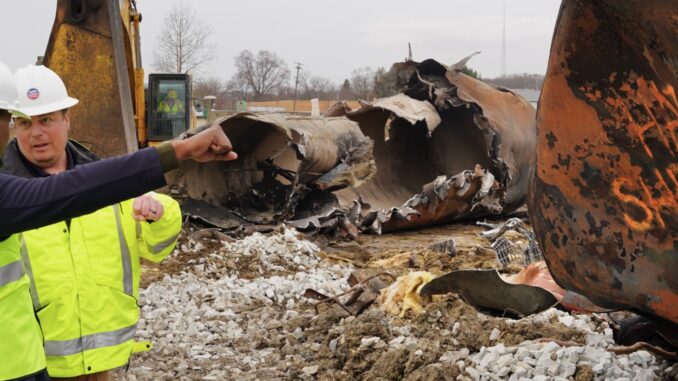
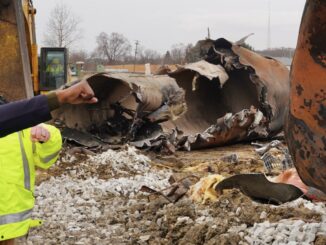
The Ohio Senate is expected to begin examining the Feb. 3 train derailment in East Palestine, Ohio on Wednesday when a Select Committee on Rail Safety holds its first hearing.
While rail wrecks like the one in East Palestine, Ohio, garner the headlines and turn the national dialogue to regulations, federal data shows that such mishaps have declined over the past three decades.
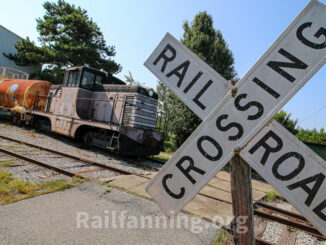
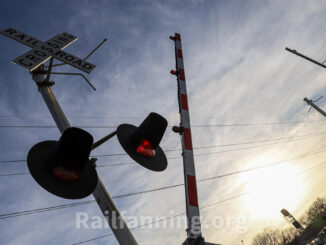
As national media attention focuses on railroads in the wake of a recent derailment, rail safety education nonprofit Operation Lifesaver, Inc. (OLI) is reminding the public to stay away and stay off tracks, obey traffic warning signs and make safe choices around tracks and trains.
Less than two weeks after train cars filled with hazardous chemicals derailed in Ohio and caught fire, a truck carrying nitric acid crashed on a major highway outside Tucson, Arizona, killing the driver and releasing toxic chemicals into the air.
Every year, 2,100 North Americans are killed or seriously injured when they engage in unsafe behavior around tracks and trains, and in the U.S. alone, a person or vehicle is hit by a train every 3 hours.
The six Class I freight railroads participating in national bargaining have started taking steps to manage and secure hazardous and security-sensitive material shipments.
A new proposed rule change to expand railroad regulations without any safety justification “prioritizes politics over sound, data-driven safety policy,” industry experts argue.
Canadian Pacific and Union Pacific want an exemption from federal requirements for a potash unit train pair running between Portland, Oregon and Saskatchewan, Canada.