
Better drainage, stronger embankments, and onboard train technology are among the factors keeping trains moving this autumn.
Across the West Midlands and the Chiltern main line, Network Rail’s Central route and train operators are tackling the annual challenge of leaves on the line, while preparing for heavy rain and strong winds from the predicted strongest El Niño* since 2015.
Weather prep has been underway for more than a year, using long-term forecasts and lessons learned from previous autumns and storms to be as ready as possible to keep passengers and freight moving.
Leaves on the line is a major challenge every year, with compressed leaves on the tracks making it difficult for trains to accelerate and brake, similar to the effect black ice has on cars on the roads.
To tackle the autumn challenges, actions in place include:
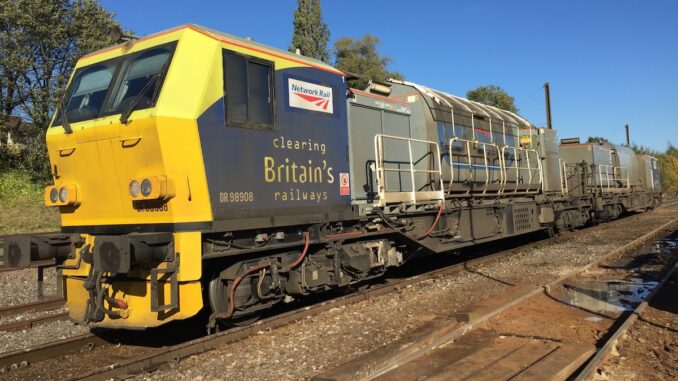
- Using a specialist cleaning train which will travel nearly 100,000 miles around the West Midlands and surrounding areas – almost four times around the equator – using 500,000 liters of water to blast leaves from the rails. The water pressure is so high that if the train stopped and sprayed in one place, the jets of water would cut through the steel rails.
- Trialing a new rail-cleaning product, Interflon Clean OTR, at known hot spots to remove leaves and residue from the rails and reduce the risk of recurring build-up issues.
- Utilizing technology on West Midlands Railway’s (WMR) newest trains – Class 730s and Class 196s – to detect more accurately when leaves are causing wheels to slip and then release sand directly in front of the wheels to improve grip.
- Using the latest train technology on WMR’s Class 730 trains to spread power across wheels throughout the train, helping improve grip as the train moves around, similar to All Wheel Drive systems on cars.
- Adding three minutes to journey times on Chiltern Railway’s services between Aylesbury Vale Parkway and Rickmansworth allows for a 40mph speed restriction between Mantles Wood and Rickmansworth, helping reduce wheel slip and ensuring signaling equipment correctly detects trains.
But it’s not just autumn that is likely to cause challenges this year; stormy weather expected to be caused by El Niño has also been prepared for.
Network Rail has invested more than £39m in earthworks and drainage over the past three years in the West Midlands and Chiltern area to help protect services from severe weather.
This work has included:
- Clearing more than 39,000m of drainage to help prevent heavy rain reaching the tracks.
- Drainage improvements and upgrades at more than 50 locations to help the railway withstand bad weather.
- Increased flood resilience at Wellington station by improving water flow through the drainage system and installing a new pump system for severe events.
- At Bicester North, Launton, Bicester South and Fenny Compton on the Chiltern main line, embankments have been strengthened and drainage upgraded to help keep trains running between Birmingham and London.
- Investing in large and innovative inflatable tubes, each able to hold up to 8,000 liters of water, to be used at locations with histories of heavy flooding; floodwater can be pumped into and stored in them and then released when conditions improve.
Embankment monitoring at 58 locations, alerting engineers to any soil movement that could pose a safety risk to trains.

Be the first to comment